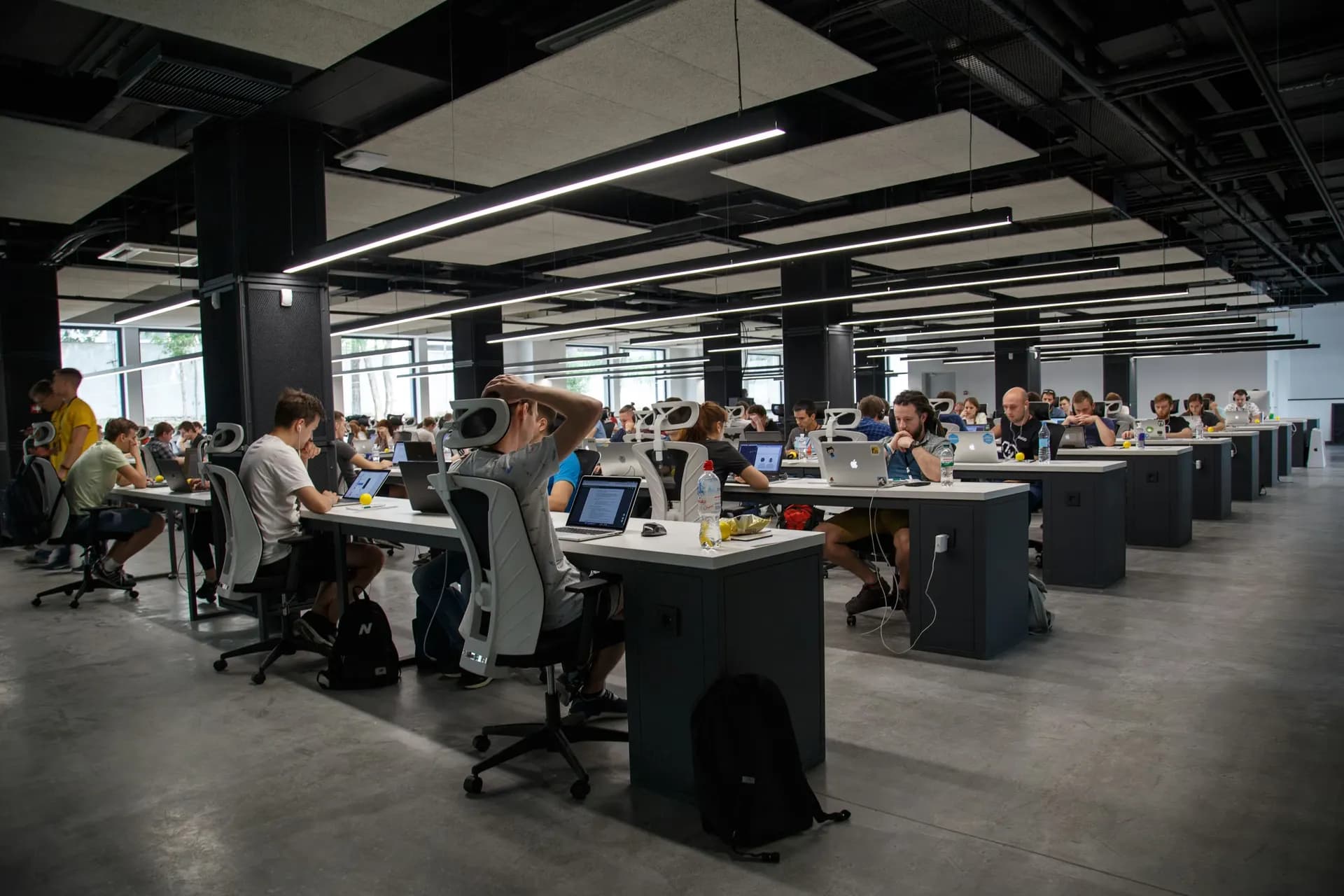
Hairdressers, bricklayers, electricians, plumbers and nurses are currently more resilient to generative AI than most office positions, according to an analysis by KOF, ETH Zurich’s Center for Economic Research.
The finding is clear. According to Michael Siegenthaler, a professor at KOF, the jobs least exposed to AI are those dominated by manual work in unstructured physical environments and direct interpersonal contact, including hairdressers, bricklayers, electricians, plumbers, nurses, security guards and firefighters.
For recruiters, this signal should influence internal training decisions: intermediate information-processing roles (data entry, reporting and standardized analysis) remain the primary target for automation, while manual and interpersonal skills are gaining relative value. For candidates changing careers, the question is no longer simply “Will my job disappear?” but “What proportion of my daily tasks is structured and repetitive, and therefore automatable?” An administrative profile that only produces standardized documents is more exposed than an otherwise identical profile that also manages complex customer relationships or physical contingencies.
For career development, this means explicitly documenting and highlighting the unstructured tasks involved in one’s role: managing unexpected situations, human coordination, and solving non-standardized physical or interpersonal problems. These elements, more than routine tasks, are becoming the core of an employability argument.
This week: list the tasks in your current role in two columns: “structured and repetitive” versus “unpredictable and interpersonal.” If the first column clearly dominates, identify a short course that strengthens your skills in the second.
LinkedIn post idea: “I carried out the exercise on my own role: 60% of my tasks are automatable according to KOF criteria. Here are the three skills I am developing to stay on the right side of that line.”